
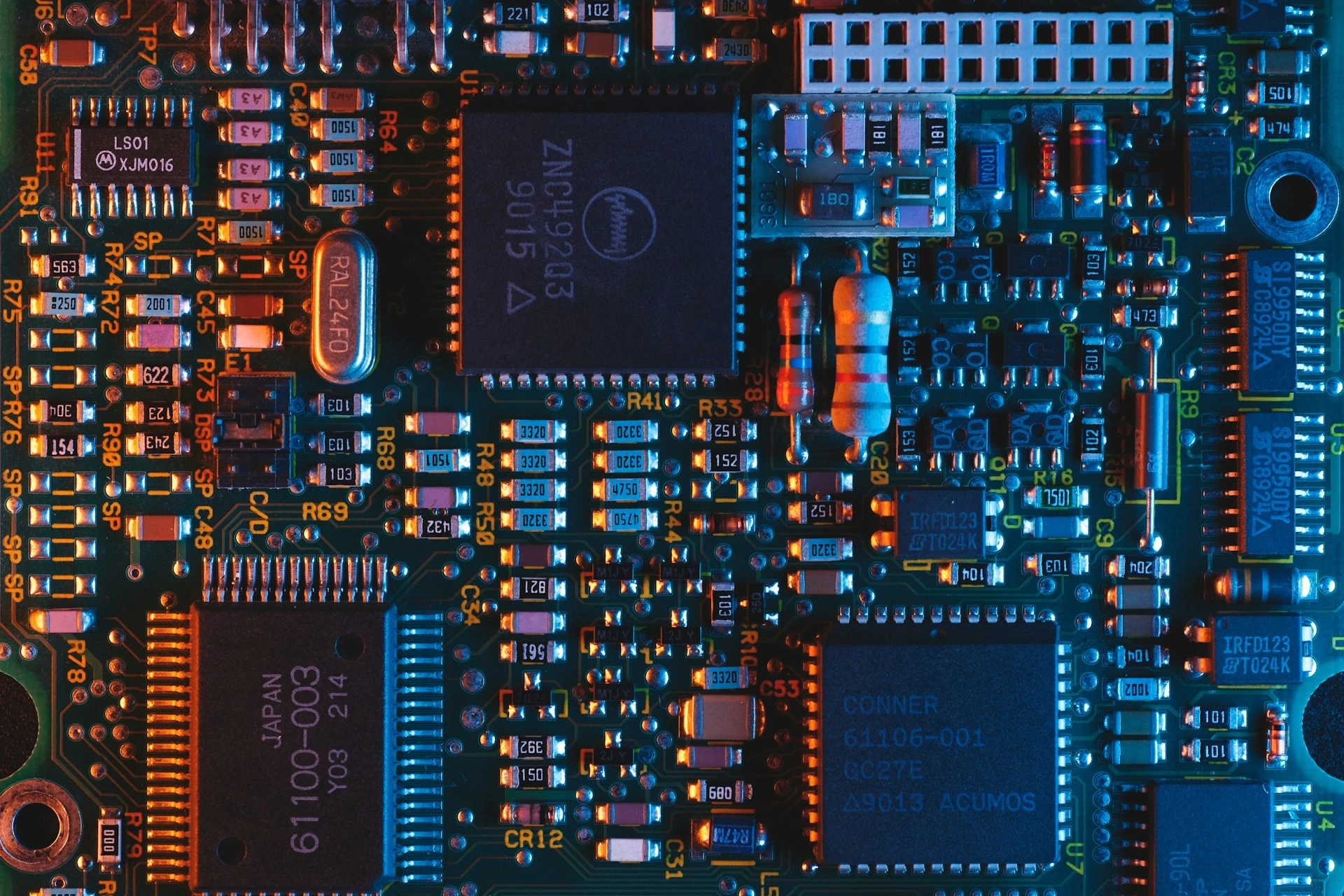
The global semiconductor industry plays a crucial role in the production of computers, laptops, smartphones, automobiles, and countless other electronic products. When chip supplies become limited, the effects can quickly spread across the technology market.
A global chip shortage can create challenges for computer manufacturers and retailers, particularly during major festive shopping periods when demand for electronics traditionally increases. Limited component availability can affect production, pricing, delivery schedules, and consumer choices.
Why Are Computer Chips So Important?
Modern computers depend on semiconductors for almost every major function. Processors, memory controllers, graphics components, connectivity systems, and other electronic parts rely on semiconductor technology.
A computer manufacturer therefore needs a steady supply of components before it can complete and ship a finished product.
When one important component becomes difficult to obtain, manufacturers may have to:
- Reduce production
- Delay product launches
- Prioritize certain models
- Search for alternative suppliers
- Adjust product specifications
- Increase prices
Festive Demand Creates Additional Pressure
Festive shopping seasons are particularly important for the electronics industry. Consumers often purchase laptops, desktops, monitors, accessories, and other technology products during promotional sales.
At the same time, businesses may also increase technology spending toward the end of the year.
This creates a potential mismatch between high demand and limited supply.
| Factor | Possible Impact |
|---|---|
| Limited chip supply | Lower production |
| Higher demand | Faster inventory depletion |
| Manufacturing delays | Longer waiting periods |
| Higher component costs | Increased product prices |
| Reduced inventory | Fewer choices for consumers |
| Supply uncertainty | Delayed product launches |
Computer Manufacturers Face Higher Costs
A chip shortage does not necessarily mean that every computer will become significantly more expensive. However, manufacturers can face higher procurement, logistics, and production costs when semiconductor components are difficult to source.
Companies may absorb some of these additional costs, pass them to consumers, or adjust their product ranges.
Lower-cost computers can be particularly sensitive to component-price increases because manufacturers generally operate with tighter margins in this segment.
Retailers Could Also Feel the Impact
Computer retailers depend on manufacturers and distributors for regular inventory. If manufacturers cannot supply enough products, retailers may have fewer units available during major sales events.
This can create several consequences:
Lower inventory → fewer choices → increased competition for popular models → possible price changes
Popular configurations could sell out faster than usual, while less-demanded models may remain available for longer.
Consumers May Need to Be More Flexible
A shortage can change the way consumers approach computer purchases.
Instead of finding exactly the desired combination of processor, memory, storage, and graphics hardware, shoppers may have to consider alternative configurations.
For example, a buyer looking for a specific laptop model might find that a similar model from another manufacturer is more readily available.
Smart Buying Considerations
Before purchasing a computer during a supply-constrained market, consumers can compare:
- Processor generation
- RAM capacity
- SSD storage
- Graphics performance
- Battery life
- Display quality
- Warranty
- Upgrade options
- Total price
Focusing on the actual requirements rather than a particular brand or configuration can make it easier to find suitable alternatives.
The Wider Technology Industry
The impact of semiconductor shortages can extend beyond computers. The same supply chain supports smartphones, tablets, gaming consoles, networking equipment, vehicles, industrial machinery, and many other products.
This makes semiconductor manufacturing strategically important to the entire technology ecosystem.
The industry has responded to supply challenges by investing in additional manufacturing capacity, diversifying suppliers, and strengthening semiconductor supply chains. However, building advanced chip-production facilities requires significant investment and time.
What Could Happen During the Festive Season?
The exact impact depends on semiconductor production, consumer demand, inventory levels, logistics, and manufacturers’ purchasing decisions.
A simplified supply-demand relationship looks like this:
Chip shortage
↓
Lower component availability
↓
Potential production constraints
↓
Lower product inventory
↓
Possible price and availability changes
Not every computer manufacturer or product category will necessarily experience the same level of disruption.