Grocery shopping used to be a regular part of the weekly routine. People would make a list, visit a nearby store or supermarket, walk through different aisles, compare products, and carry everything home. Today, that routine is changing rapidly. With just a smartphone and an internet connection, shoppers can order vegetables, fruits, dairy products, snacks, beverages, household essentials, and personal-care products without leaving home.
Online grocery shopping is not simply another way to purchase food. It is changing how people plan their meals, manage their time, compare prices, discover products, and make everyday buying decisions.
Convenience Has Become a Major Priority
One of the biggest changes brought by online grocery shopping is convenience. Instead of spending time travelling to a store and standing in queues, customers can browse products from home, work, or almost anywhere else.
A grocery order can often be completed within a few minutes. This is particularly useful for people with busy schedules, families managing household responsibilities, and customers who may find frequent trips to physical stores inconvenient.
The ability to shop at different times of the day also gives consumers greater flexibility. A person can remember that they need cooking oil or detergent and add it to an online cart immediately rather than waiting until the next shopping trip.
Grocery Shopping Is Becoming More Planned
Online platforms are also changing the way people prepare their grocery lists. Digital shopping carts make it easy to review products before placing an order, remove unnecessary items, and check the total cost.
Many shoppers can also look at their previous orders and reorder frequently purchased products. This makes routine purchases simpler and can reduce the effort required to remember everyday household essentials.
Instead of walking through a store and deciding what to buy aisle by aisle, consumers can search directly for the products they need.
Easy Price Comparison Is Changing Buying Decisions
Price comparison has become much easier online. Customers can often see different brands, pack sizes, discounts, and product variations on the same screen.
For example, someone looking for cooking oil can compare several brands and quantities before deciding which product fits their budget. Similar comparisons can be made for cereals, cleaning products, snacks, personal-care items, and household supplies.
This greater visibility can encourage shoppers to think more carefully about value rather than automatically purchasing the brand they usually see on a physical store shelf.
Discounts and Digital Offers Influence Purchases
Online grocery platforms frequently use discounts, coupons, membership benefits, cashback offers, and promotional campaigns to attract customers.
These offers can influence what people put into their carts. A shopper who originally plans to purchase one product may notice a discount on a larger pack or a related product and decide to buy it.
At the same time, shoppers need to distinguish genuine savings from unnecessary spending. A discount does not always mean a product is needed. Online shopping can make it easier to buy extra products simply because they appear attractive or inexpensive.
Product Discovery Has Become Easier
Physical grocery stores have traditionally relied on shelf placement to introduce customers to products. Online stores use search results, recommendations, categories, advertisements, and related-product suggestions.
This means shoppers can discover products they may not have noticed in a traditional store.
For example, someone searching for breakfast ingredients may also see healthy snacks, beverages, cereals, or kitchen products. This creates more opportunities for brands to reach customers while giving shoppers access to a wider range of products.
Local Products Can Reach More Customers
Online grocery platforms can also help smaller and regional brands reach consumers beyond their immediate neighbourhood.
Products that may not have large shelf space in a physical supermarket can sometimes be easier to discover online. Regional foods, specialty ingredients, organic products, and niche household items can become accessible to a larger customer base.
This gives consumers more variety while creating additional opportunities for smaller businesses.
Home Delivery Is Changing Shopping Habits
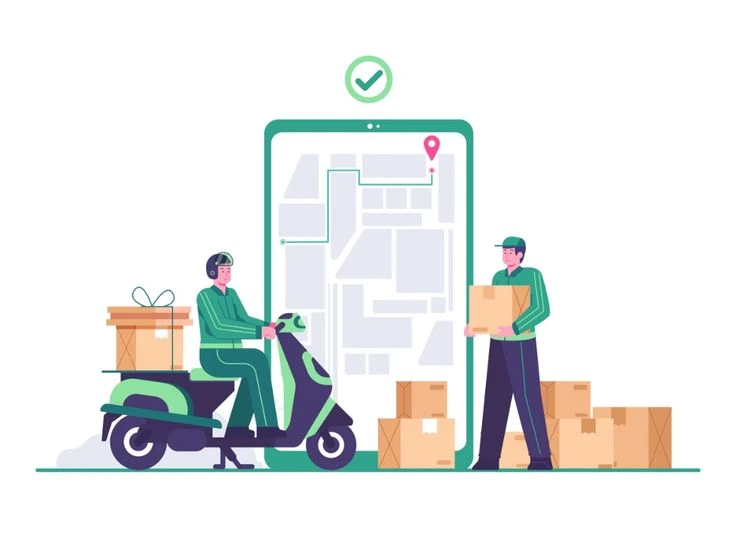
Home delivery has become one of the most important features of online grocery shopping. Customers no longer need to carry heavy bags of rice, flour, bottled drinks, cleaning products, or other household supplies from a store to their homes.
This can be especially useful for large or frequent purchases.
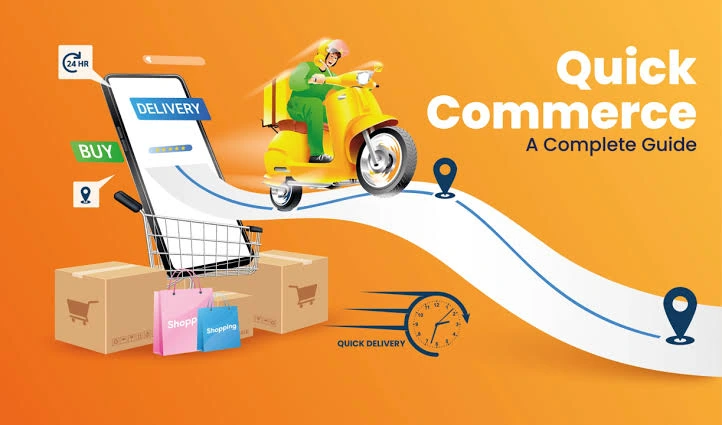
The availability of faster delivery has also changed expectations. Many consumers now expect their everyday essentials to arrive quickly, making speed an important part of the overall shopping experience.
Mobile Shopping Is Making Grocery Buying More Frequent
Smartphones have made grocery shopping accessible almost everywhere. Customers can place an order while commuting, during a break, or from their homes.
Because the process is quick, people may make smaller and more frequent orders instead of relying only on one large weekly shopping trip.
This can change household purchasing patterns. A customer might order milk and vegetables when needed, restock snacks later, and purchase cleaning supplies separately rather than buying everything at once.
Reviews and Product Information Matter More
Online shopping gives customers access to product descriptions, specifications, ratings, and reviews before making a purchase.
For packaged food and household products, shoppers can often check ingredients, quantities, nutritional information, or other product details before ordering.
Customer reviews can also provide additional perspectives. However, shoppers should remember that online reviews can vary in quality and may not always represent every customer’s experience.
Personalization Is Becoming Part of Grocery Shopping
Online grocery platforms can use previous purchases and browsing activity to provide personalized recommendations.
If a customer regularly buys certain products, the platform may make those items easier to find or recommend similar products. This can make shopping faster because customers do not always need to search from the beginning.
Personalization can also introduce shoppers to new brands and products based on their previous interests.
There Are Still Challenges
Despite its convenience, online grocery shopping has some limitations.
Customers cannot physically inspect fresh products before purchasing them. The quality, ripeness, size, or appearance of fruits and vegetables may differ from expectations.
Delivery fees, minimum-order requirements, substitutions, unavailable products, and delivery delays can also affect the experience.
There is another important consideration: impulse buying. Digital recommendations, limited-time offers, and promotional banners can encourage consumers to add products that were not part of their original shopping list.
What the Future of Grocery Shopping Could Look Like
The future of grocery shopping is likely to involve a combination of online and offline experiences. Physical stores will continue to serve customers who want immediate purchases or prefer to select fresh products themselves, while online platforms will provide convenience, variety, delivery, and digital purchasing tools.
Technology may make grocery shopping increasingly personalized and automated. Shopping lists, recurring orders, digital payments, product recommendations, and delivery tracking can reduce the amount of effort required for routine purchases.
The biggest change is not simply that groceries can now be ordered online. It is that technology is changing the entire process—from deciding what to buy to comparing products, placing an order, receiving the delivery, and planning the next purchase.
Conclusion
Online grocery shopping is becoming an important part of everyday consumer life. It saves time, simplifies routine purchases, provides greater product visibility, and allows customers to compare options from the convenience of their phones.
At the same time, smart shopping still requires awareness. Comparing prices, checking product information, reviewing quantities, and avoiding unnecessary purchases can help consumers get more value from online grocery platforms.
As technology continues to develop, grocery shopping will become increasingly digital, personalized, and convenient. What was once a routine trip to the local store is gradually becoming a simple activity that can be completed in just a few taps.