
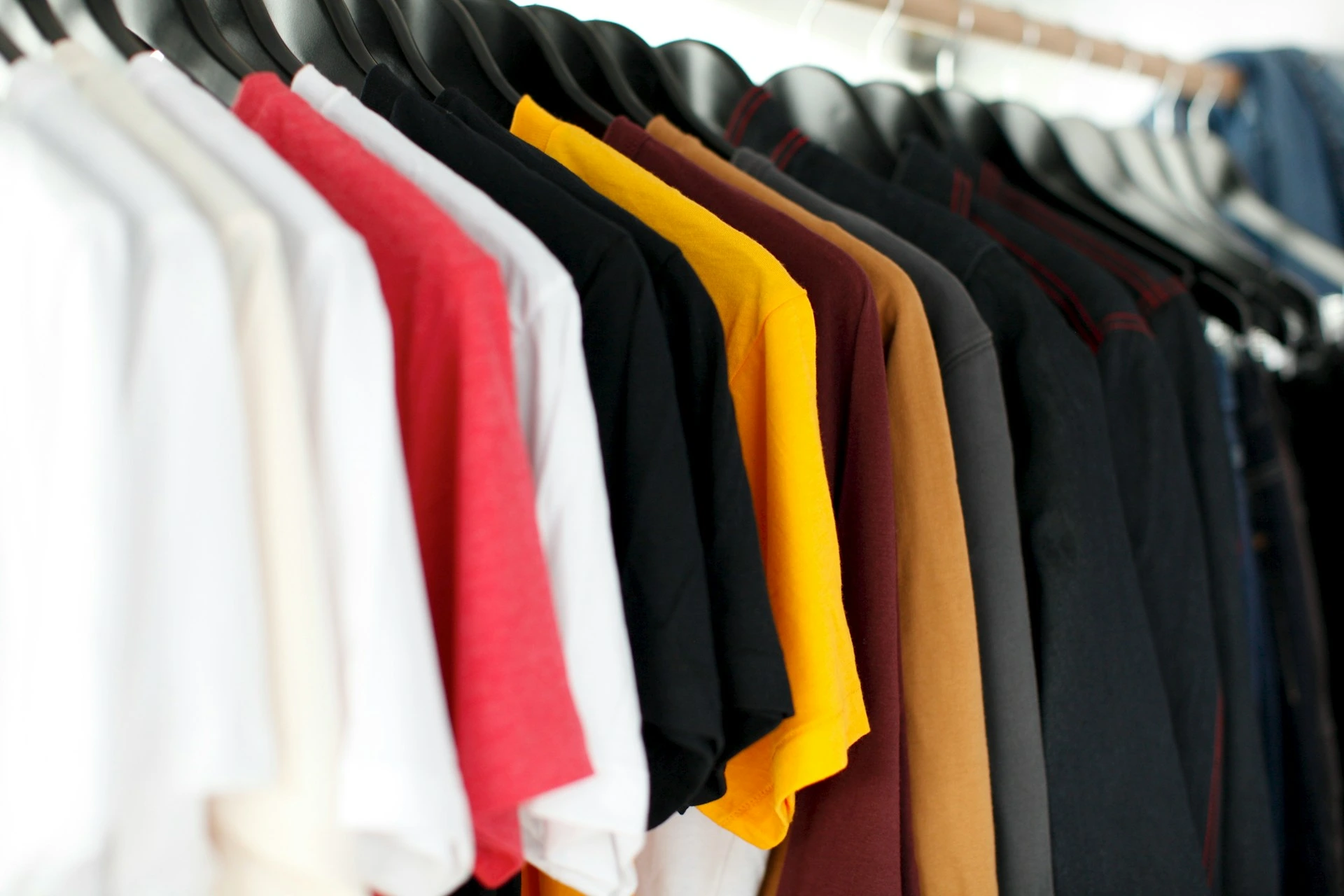
Buying clothes online has become a common part of modern shopping. Customers can browse hundreds of styles, compare prices, read reviews, and place an order without visiting a physical store.
However, choosing the right clothing online can sometimes be difficult. Customers cannot physically touch the fabric, try on the clothes, or always judge the exact fit from a product photo.
For e-commerce businesses, providing the right product information can make the shopping experience much easier.
Here are some practical things customers should consider when choosing clothing online.
1. Check the Size Guide Carefully
One of the most important things to check before buying clothes online is the size chart.
Sizes can vary between brands and even between different products from the same brand. Instead of relying only on S, M, L, or XL, compare your measurements with the seller’s size guide.
Look for measurements such as:
- Chest or bust
- Waist
- Hip
- Shoulder
- Sleeve length
- Inseam
- Overall garment length
A detailed size chart can significantly reduce the chances of ordering the wrong size.
2. Understand the Fabric
Product photos cannot always show how a fabric feels or behaves.
Before purchasing, check the product description for information about:
- Fabric type
- Material composition
- Stretch
- Thickness
- Breathability
- Care instructions
For example, cotton may be suitable for everyday wear in warm weather, while wool or fleece may be more appropriate for colder conditions.
Understanding the material helps customers choose clothing according to the weather, occasion, and personal preference.
3. Look at Product Images Carefully
Images are one of the most important elements of an online clothing store.
Try to look for products with multiple images showing:
- Front view
- Back view
- Side view
- Close-up of the fabric
- Details such as buttons, zippers, or embroidery
- The product being worn by a model
Different viewing angles can provide a better understanding of the clothing’s design and fit.
4. Consider the Fit and Style
Two shirts can have the same size but completely different fits.
Common fit types include:
| Fit Type | General Characteristics |
|---|---|
| Slim Fit | Closer to the body |
| Regular Fit | More relaxed and traditional |
| Oversized | Loose and wider silhouette |
| Relaxed Fit | Comfortable with additional room |
| Tailored Fit | Structured and shaped appearance |
Always check the product description for the intended fit before placing an order.
5. Read Customer Reviews
Customer reviews can provide information that isn’t always obvious from the product description.
Look for comments about:
- Actual size
- Fabric quality
- Color accuracy
- Comfort
- Fit
- Stitching
- Durability
If several customers mention that a particular product runs smaller than expected, it may be useful to consider a different size.
Photos uploaded by customers can also provide a better idea of how the clothing looks in real-world conditions.
6. Check the Return and Exchange Policy
Even after carefully checking the size chart, the clothing may not fit as expected.
Before ordering, check:
- Return period
- Exchange availability
- Refund method
- Return shipping charges
- Conditions for returning the product
- Whether sale items are eligible for return
A clear return policy gives customers more confidence when purchasing clothing online.
7. Choose According to the Occasion
The right clothing depends on where and when it will be worn.
For example:
Office: Shirts, trousers, blazers, formal dresses
Casual: T-shirts, jeans, casual shirts, sneakers
Party: Dresses, jackets, coordinated outfits
Travel: Comfortable, lightweight, and easy-care clothing
Sports: Breathable and flexible activewear
Thinking about the occasion before buying can prevent unnecessary purchases.
8. Compare Price With Quality
The cheapest product isn’t always the best choice.
Compare the price with factors such as:
- Material
- Construction
- Stitching
- Brand reputation
- Product reviews
- Return policy
- Expected durability
A slightly more expensive product may provide better value if it offers better materials and lasts longer.
Quick Clothing Buying Checklist
| What to Check | Why It Matters |
|---|---|
| Size Chart | Helps select the correct size |
| Fabric | Shows comfort and suitability |
| Product Images | Helps understand design and details |
| Fit | Determines how the clothing will sit on the body |
| Reviews | Provides real customer experiences |
| Return Policy | Provides flexibility if the product doesn’t work |
| Price | Helps compare value |
| Occasion | Ensures the product suits its intended use |
Tips for E-Commerce Clothing Businesses
For online clothing sellers, the same factors can be used to create better product pages.
A good clothing product page should include:
- Multiple high-resolution images
- Accurate measurements
- Detailed size charts
- Fabric composition
- Fit information
- Washing instructions
- Available colors and sizes
- Customer reviews
- Clear shipping information
- Easy-to-understand return and exchange policies
Providing this information reduces uncertainty and helps customers make better purchasing decisions.
Final Thoughts
Choosing clothing online doesn’t have to be difficult. Customers can make better decisions by checking the size chart, fabric, fit, product images, reviews, price, and return policy before placing an order.
For e-commerce businesses, providing accurate and detailed product information is equally important. The easier it is for customers to understand a product before purchasing, the more confident they can be about their decision.
A successful online clothing store isn’t just about offering attractive designs. It is about giving customers enough information to choose the right product with confidence.